
Introduction
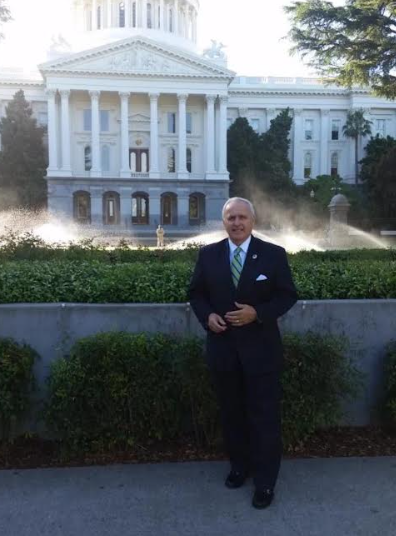
Community engagement in governmental affairs is a potent force that bridges the gap between policies and the people they impact. In this article, we delve into the significance of community engagement and explore how it can enrich the processes of policy-making, advocacy, and implementation. Gene G. Veno, a Government Affairs Expert with over 40 years of experience, takes you on a journey through the transformative potential of community involvement.
1. What is Community Engagement?
Community engagement is a collaborative process that involves working with groups of people, or communities, to address issues that directly affect them. In governmental affairs, it goes beyond mere consultation; it means actively involving communities in the policy-making process and ensuring that their voices are not just heard but also integrated into decision-making.
2. Why Engage Communities?
There are several compelling reasons to engage communities in governmental affairs:
· Informed Decision-Making: Communities often possess invaluable insights and understanding of local issues. Their input can lead to more informed and effective decisions.
· Legitimacy and Acceptance: Policies developed with community input tend to have higher legitimacy and acceptance among the people they affect. This fosters trust in government institutions.
· Sustainable Solutions: Solutions co-created with the community are more likely to be sustainable and effective in the long term. Community members have a vested interest in the success of policies they helped shape.
3. Strategies for Effective Community Engagement
To make community engagement truly effective, consider the following strategies:
· Inclusivity: Ensure representation from various segments of the community, including marginalized groups. Diversity of perspectives leads to more comprehensive solutions.
· Listening and Learning: Approach engagement with an open mind, ready to listen and learn from community members. Their experiences and insights are invaluable.
· Clear Communication: Communicate openly and in accessible language, avoiding jargon that may alienate community members. Transparency builds trust.
· Ongoing Engagement: Don’t view community engagement as a one-time event. Maintain relationships with communities beyond single engagements to foster lasting partnerships.
4. Tools and Channels for Community Engagement
There are various tools and channels to facilitate community engagement:
· Public Meetings and Forums: Conduct public meetings and forums to have face-to-face interactions with community members. These gatherings provide opportunities for direct communication.
· Surveys and Feedback Forms: Use surveys to collect data and feedback on specific issues. This quantitative approach can provide valuable insights.
· Social Media: Leverage social media platforms to reach a wider audience and encourage interaction. Online platforms can be particularly effective in engaging younger demographics.
· Community Workshops: Organize workshops to educate and co-create solutions with community members. Workshops promote active participation and collaboration.
5. Overcoming Challenges in Community Engagement
Challenges may arise in community engagement, but they can be overcome:
· Managing Expectations: Be clear about what can and cannot be achieved through engagement. Realistic expectations prevent disappointment.
· Building Trust: Engage consistently and transparently to build trust over time. Trust is the foundation of successful community engagement.
· Addressing Diverse Needs: Understand and address the diverse needs and preferences within a community. Tailoring engagement strategies to specific groups fosters inclusivity.
6. Case Studies: The Impact of Community Engagement
Real-life examples illustrate the transformative power of community engagement in governmental affairs. These include community-driven development projects and policies changed based on community input. Such cases highlight the tangible benefits of involving communities in decision-making processes.
7. Measuring Success in Community Engagement
Effectiveness in community engagement can be measured through various means:
· Feedback: Gather feedback from community members to assess their satisfaction and the perceived impact of engagement efforts.
· Assessing Change: Evaluate the actual change in the community resulting from policies influenced by community input.
· Integration of Insights: Measure the extent to which community insights were integrated into decision-making and policy implementation.
Conclusion
Community engagement in governmental affairs is a dynamic process that empowers communities, fosters collaboration, and enhances the effectiveness of public policies. Gene G. Veno encourages readers to recognize the value of community involvement and to share their insights and experiences in the comments section. Together, we can work towards a better future where governance is more inclusive, responsive, and equitable.